언어
언어

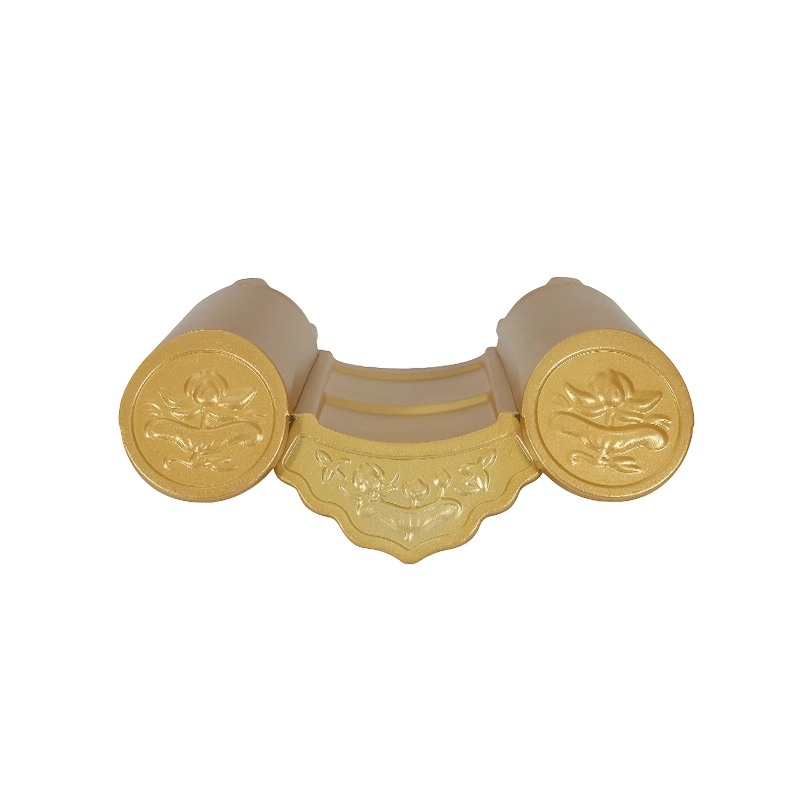

How Can Metal Corrugated Tiles Help Balance Structural Efficiency and Architectural Design Requirements?
Metal Corrugated Tiles have evolved from a traditional roofing material into a versatile solution for modern architectural and construction projects. Their repeating ridges and valleys create a recognizable appearance while also providing structural characteristics that can be useful for roofing and cladding applications. For project developers, contractors, architects, and professional purchasers, the value of a corrugated metal system is not simply determined by its appearance. Material composition, profile geometry, panel dimensions, coating technology, installation configuration, environmental exposure, and long-term maintenance should all be evaluated before a product is selected.
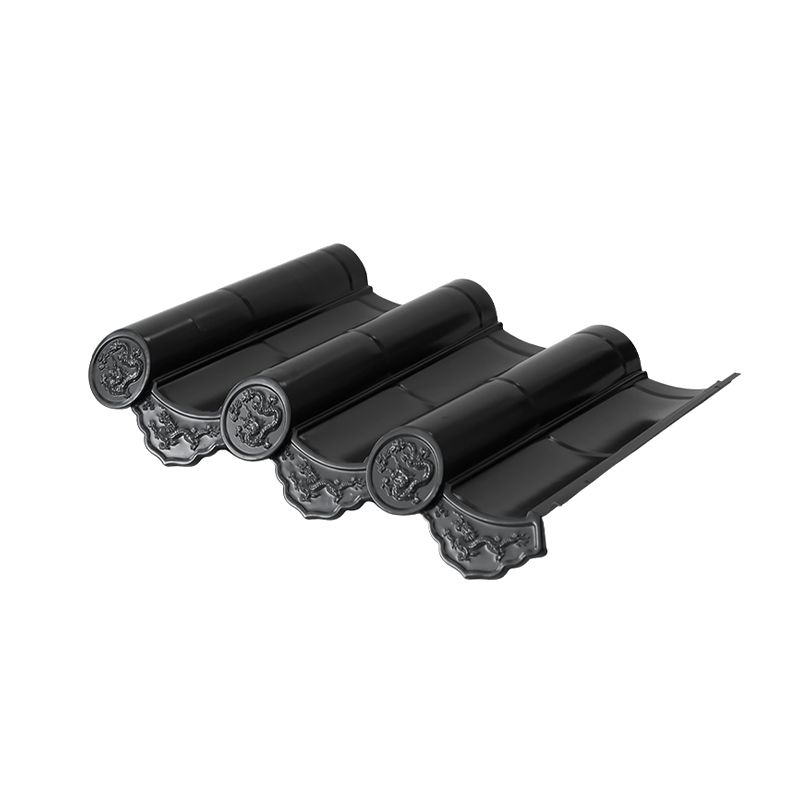
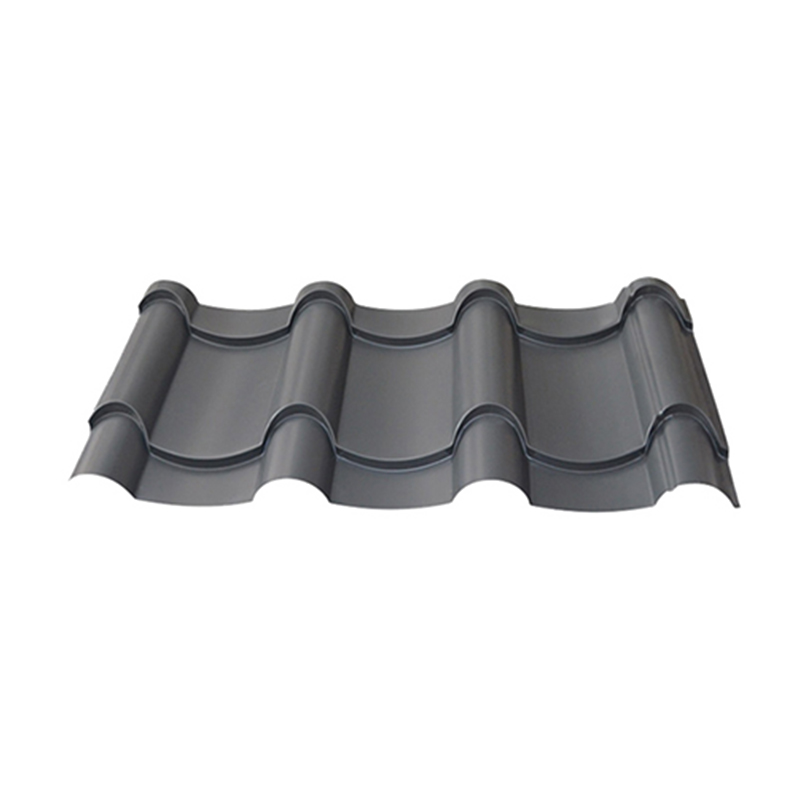
One of the main characteristics of corrugated products is their profiled geometry. Compared with a completely flat metal sheet of the same material thickness, the formed profile can increase rigidity and provide a more stable panel structure. This makes Metal Corrugated Roofing suitable for a variety of building applications where relatively lightweight construction and practical installation are important considerations.
Modern manufacturing also provides more options than traditional corrugated sheets. Buyers can select different metals, thicknesses, profile depths, colors, finishes, and panel dimensions according to project requirements. Aluminum Corrugated Tiles, for example, can be considered for applications where low weight and corrosion resistance are important. Steel-based products may be selected where specific strength, cost, or availability requirements need to be addressed.
The architectural appearance is another reason these products remain popular. Corrugated surfaces can create a regular rhythm across large roof areas, while different coatings and colors can completely change the character of the building. Neutral metallic finishes may suit contemporary industrial architecture, while darker finishes can create a more distinctive appearance.
Why Does Profile Geometry Matter?
The shape of the corrugation influences both the appearance and physical characteristics of the panel. Different wave heights and spacing can produce different visual effects and levels of rigidity. A deeper profile may create a stronger architectural texture, while a smaller profile may provide a more restrained appearance.
For large projects, buyers should consider how the profile interacts with the building’s overall design. The roof should not be evaluated independently from the façade, gutters, edge details, windows, doors, and surrounding materials.
What Makes Aluminum Corrugated Tiles Different?
Aluminum Corrugated Tiles can be an attractive option for projects where lightweight construction and resistance to atmospheric corrosion are priorities. Their lower density can simplify transportation and handling, while suitable surface treatments can provide additional design flexibility.
However, buyers should evaluate the complete specification rather than assuming that aluminum is automatically suitable for every environment. Thickness, alloy, surface treatment, fixing method, structural support, and thermal movement should all be considered.
| Product consideration | What buyers should examine | Potential project value |
|---|---|---|
| Base material | Aluminum, steel, or alloy | Determines fundamental material characteristics |
| Profile | Wave depth and spacing | Influences rigidity and appearance |
| Thickness | Project-specific gauge | Affects weight and strength |
| Panel width | Overall and effective coverage | Influences material planning |
| Surface treatment | Coating, paint, or metallic finish | Supports appearance and protection |
| Color | Standard or customized | Coordinates with architecture |
| Connection | Fasteners, overlaps, or other fixing | Influences installation |
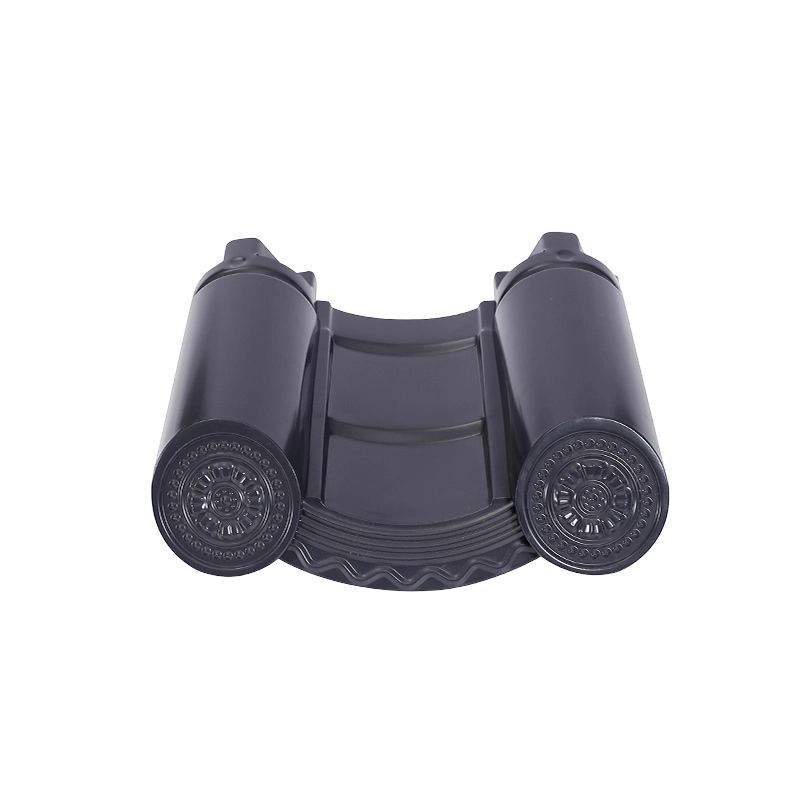
| Accessories | Ridge, flashing, trims, and edges | Completes the roof assembly |
How Can Corrugated Metal Sheets Be Used Beyond Roofing?
Although Corrugated Metal Sheets are widely recognized as roofing products, their profiled surface can also be used for wall cladding, partitions, decorative façades, agricultural buildings, workshops, commercial structures, and other applications.
Using the same or complementary corrugated profiles on roofs and walls can create a consistent architectural language. Alternatively, a corrugated roof can be combined with flat metal panels, curtain walls, masonry, glass, or other materials to create contrast.
For professional buyers, this versatility means that product selection should consider the entire building envelope rather than only the roof area. A coordinated specification can help maintain consistency in color, finish, profile, and accessories across different parts of the project.
Why Is Material Compatibility Important?
When corrugated roofing is combined with gutters, fasteners, flashing, insulation, supporting structures, or other metals, compatibility should be considered. The selection of accessories should correspond with the base material and environmental conditions.
This is particularly relevant in projects exposed to moisture or corrosive environments. Proper detailing and material selection can help reduce avoidable maintenance problems over the service life of the building.
What Should Buyers Compare When Selecting Corrugated Roof Tiles for Different Climate and Building Conditions?
Selecting Corrugated Roof Tiles requires a project-specific approach because buildings are exposed to different combinations of rainfall, sunlight, wind, humidity, temperature changes, pollution, and mechanical stresses. A product that performs effectively in one location may require different specifications when used in another environment.
For professional procurement, one of the most important steps is identifying the expected environmental exposure before choosing the material and finish. Coastal buildings, for example, may require careful consideration of salt-laden air and corrosion protection. Buildings in regions with intense solar radiation may require a surface finish appropriate for long-term outdoor exposure. Projects in areas with significant temperature variations should also account for thermal expansion and contraction.
The roof geometry should be reviewed at the same time. Corrugated roofing is generally installed as part of a designed roof system rather than simply placed over a flat structural surface. Roof pitch, drainage paths, overlap configuration, ridge details, valleys, penetrations, and edge conditions can all affect the final result.
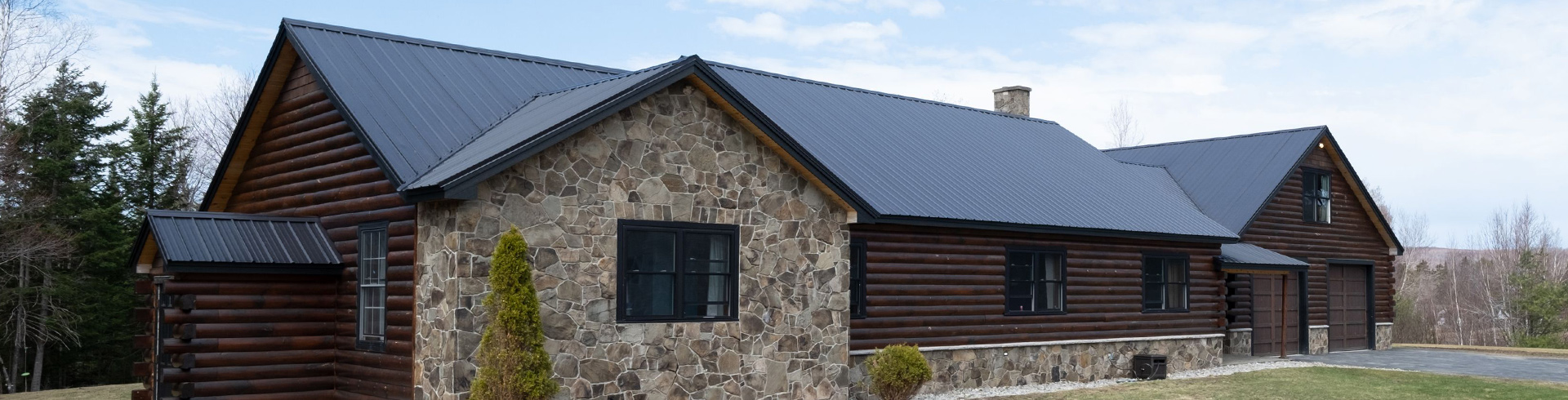
Black Corrugated Roofing is one example of how color can influence architectural design. Black or very dark finishes can create a strong, contemporary appearance and can complement wood, stone, concrete, glass, or light-colored walls. However, color selection should also be considered together with the project’s solar exposure, coating specification, and local environmental conditions.
How Should Buyers Evaluate Surface Coatings?
A surface coating is more than a decorative layer. It can contribute to the appearance and environmental resistance of the product. Buyers should therefore request specific information about the coating system, surface treatment, color consistency, and applicable performance requirements.
For large projects, color consistency is particularly important. If roofing panels from different production batches have noticeable differences in gloss or tone, the variation may be visible across the completed roof.
What Environmental Conditions Should Be Considered?
The following conditions should be reviewed before finalizing the product specification:
- Annual rainfall and drainage requirements
- Humidity and potential salt exposure
- Ultraviolet radiation
- Seasonal temperature variation
- Wind exposure
- Local atmospheric pollution
- Potential contact with incompatible materials
- Expected maintenance conditions
A professional supplier should be able to discuss these factors with the buyer and recommend a suitable material and finish based on the actual project environment.
| Environmental factor | Possible concern | Selection consideration |
|---|---|---|
| Heavy rainfall | Water accumulation and leakage risk | Roof slope and drainage details |
| Coastal exposure | Corrosion | Material and protective finish |
| Strong sunlight | Surface aging | Suitable coating system |
| Temperature changes | Thermal movement | Appropriate fixing and detailing |
| High winds | Panel movement or uplift | Structural fixing design |
| Industrial atmosphere | Surface degradation | Environmental compatibility |
| Snow conditions | Additional roof loading | Structural coordination |
Why Should Black Corrugated Roofing Be Selected Carefully?
Black Corrugated Roofing has strong architectural appeal because it creates a bold and visually consistent roof surface. It can work particularly well with modern residential buildings, commercial architecture, warehouses, agricultural structures, hospitality facilities, and contemporary renovation projects.
However, the buyer should not select black purely based on color. The underlying metal, coating specification, panel thickness, profile, and installation system remain important. A visually attractive roof must still satisfy the technical requirements of the project.
How Do Installation Details Influence Roofing Performance?
Even a high-quality Metal Corrugated Roofing product can perform poorly if the installation system is inappropriate. Fastener placement, overlap, flashing, ridge details, valley construction, penetrations, and edge treatment all require careful attention.
The installer should follow the manufacturer’s technical recommendations and the project’s approved drawings. Special attention should be given to areas where different materials meet because these locations can become potential points for water entry or movement-related stress.
Why Should Buyers Request Complete System Information?
Instead of purchasing only the main panels, project buyers should request information about compatible accessories and installation requirements. A complete system approach makes it easier to coordinate the roof from the structural layer through to the finished surface.
This can also simplify procurement because the buyer can establish one coordinated specification for the major components instead of attempting to match products from unrelated sources.
How Can Metal Corrugated Roofing Manufacturers Improve Procurement Efficiency for Large Construction Projects?
For large-scale construction, choosing the right Metal Corrugated Roofing manufacturer can have a significant impact on project efficiency. Roofing materials are typically ordered in substantial quantities, and the cost of production errors, inconsistent dimensions, inadequate packaging, or delayed delivery can be much greater than the difference between two unit prices.
A capable manufacturer should be able to provide consistent production, customization, technical communication, quality inspection, packaging, and delivery coordination. Buyers should therefore assess the manufacturer’s production process as well as the product itself.
For example, a large warehouse, industrial building, commercial center, or residential development may require different panel lengths, edge components, ridge pieces, flashing, and customized sections. If the manufacturer can coordinate these elements before production, the installation team can potentially reduce cutting and field modification.
What Production Details Should Be Included in a Procurement Specification?
The product specification should clearly define the material, thickness, profile, dimensions, coating, color, effective coverage, connection method, and accessories. For customized orders, drawings should be submitted before production so that the manufacturer can verify the requirements.
The specification should also establish quality expectations. These may include dimensional tolerances, surface requirements, coating consistency, packaging standards, and inspection procedures.
| Procurement item | Recommended information |
|---|---|
| Product type | Metal Corrugated Tiles / Corrugated Roof Tiles |
| Material | Aluminum, steel, alloy, or specified metal |
| Thickness | Required material thickness |
| Profile | Wave shape, height, and spacing |
| Panel dimensions | Length, width, and effective coverage |
| Surface finish | Coating, color, gloss, and texture |
| Application | Roof, wall, façade, agricultural, industrial, etc. |
| Accessories | Ridge, flashing, edge trims, fasteners |
| Packaging | Protection during transport and storage |
| Inspection | Dimensional and surface requirements |
| Quantity | Area, number of panels, and accessories |
| Delivery | Production and shipping schedule |
How Does Customization Improve Material Utilization?
Standard panel sizes do not always match actual building dimensions. If the roof includes unusual lengths, multiple slopes, openings, skylights, or complicated edges, standardized products may require additional cutting.
Customized production can allow the panel dimensions to be coordinated with the actual roof plan. This does not eliminate all cutting, but it can make the overall layout more efficient and help the project team estimate material requirements more accurately.
For international projects, this planning stage is especially valuable because additional material cannot always be obtained quickly after construction begins.
Why Are Quality-Control Procedures Important for Corrugated Metal Sheets?
Corrugated Metal Sheets are manufactured through forming processes, meaning the quality of the finished profile depends on the consistency of the raw material and production equipment. Dimensional deviations, surface damage, profile deformation, or coating defects can affect installation and appearance.
Quality control should therefore cover raw materials, forming dimensions, profile accuracy, surface condition, coating, packaging, and final inspection. Large orders should also be managed carefully to minimize differences between production batches.
What Should Buyers Look for in a Long-Term Supplier?
A reliable supplier should demonstrate more than the ability to manufacture a basic corrugated panel. Buyers should consider production capacity, technical support, customization, quality consistency, packaging, logistics, and communication.
For projects with complicated architectural requirements, a manufacturer capable of providing both standard and customized corrugated products can offer greater flexibility. Technical communication before mass production can also help identify potential conflicts between the roofing design and the selected product.
How Can Buyers Evaluate the Total Cost of Metal Corrugated Roofing?
The total project cost includes more than the panel price. Buyers should consider accessories, transportation, packaging, installation labor, expected waste, maintenance, and potential replacement requirements.
A slightly higher-quality product may provide better overall value if it reduces installation difficulties, improves material utilization, and maintains a consistent appearance across the completed building. The most appropriate procurement decision should therefore consider product quality, project compatibility, manufacturing reliability, and total lifecycle value rather than focusing exclusively on the initial quotation.
FAQ: Key Questions Before Purchasing Metal Corrugated Tiles
What Are Metal Corrugated Tiles Commonly Used For?
Metal Corrugated Tiles can be used for residential roofs, commercial buildings, industrial facilities, agricultural structures, workshops, warehouses, public buildings, renovation projects, and selected wall-cladding applications.
What Is the Difference Between Aluminum Corrugated Tiles and Steel Corrugated Products?
The main differences relate to material characteristics such as density, corrosion resistance, strength, forming behavior, cost, and surface treatment. The appropriate option depends on the project’s environment, structural requirements, appearance, and budget.
Are Corrugated Roof Tiles Suitable for Large Commercial Projects?
Yes. Corrugated Roof Tiles can be used for large commercial and industrial projects when the selected product is appropriately specified for the building structure, environmental exposure, drainage requirements, and installation conditions.
Why Is Black Corrugated Roofing Popular in Contemporary Architecture?
Black Corrugated Roofing provides a strong, clean visual appearance and can coordinate well with materials such as glass, concrete, stone, timber, and light-colored walls. It is particularly suitable for projects seeking a bold or modern architectural style.
What Are Corrugated Metal Sheets Used For?
Corrugated Metal Sheets can be used for roofing, wall cladding, industrial buildings, agricultural structures, workshops, warehouses, and other applications where a profiled metal surface is appropriate.
What Information Should Be Provided When Requesting a Quotation?
Buyers should ideally provide the project location, roof area, roof drawings, roof pitch, preferred material, thickness, panel dimensions, profile, color, surface finish, accessories, estimated quantity, and required delivery schedule.
Can Metal Corrugated Roofing Be Customized?
Depending on the manufacturer’s capabilities, customization may include material, thickness, panel length, profile dimensions, color, surface treatment, and accessories. Providing drawings before production helps determine the feasibility of project-specific requirements.
What Is the Most Important Factor When Selecting a Metal Corrugated Tiles Manufacturer?
There is no single factor that determines supplier suitability. Buyers should evaluate manufacturing consistency, material quality, customization capabilities, quality control, production capacity, packaging, logistics, technical support, and the supplier’s ability to meet the complete project specification.

 DOWNLOAD